
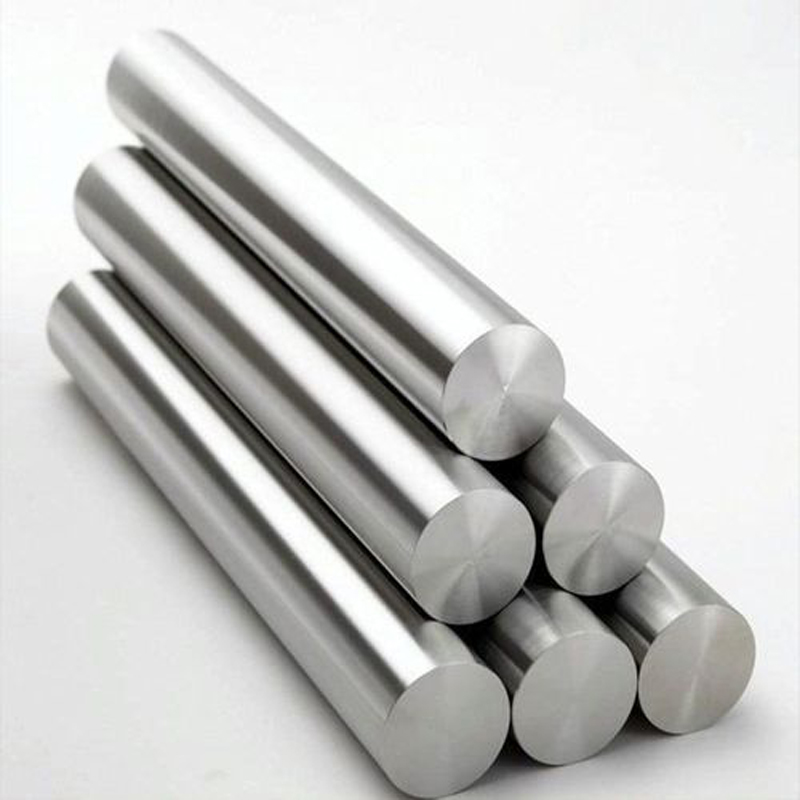


Stainless Steel as Biomedical Material is an iron-based corrosion-resistant alloy and one of the earliest biomedical alloys developed. It is characterized by easy processing, low price, corrosion resistance, and the yield strength can be improved through cold working to avoid fatigue fracture. Among them, the most widely used is austenitic ultra-low carbon stainless steel 316L.
The biocompatibility and related issues of 316L medical stainless steel mainly involve tissue reactions (such as edema, infection, tissue necrosis, etc.) caused by corrosion or wear after the stainless steel is implanted in the human body, leading to pain and allergic reactions. wait. Especially the serious lesions caused by the precipitation of nickel ions in stainless steel (the commonly used 316L austenitic ultra-low carbon medical stainless steel contains about 10% nickel). In recent years, low-nickel and nickel-free medical stainless steel are gradually being developed and applied.
316L medical stainless steel is widely used clinically.
(1) Artificial joints and fracture internal fixation devices are used in fracture repair, bone alignment and misalignment correction, chronic spinal orthopedics and skull defect repair, etc.
(2) In dentistry, it is used in dentures, orthodontics, root implants and auxiliary devices.
(3) In the cardiovascular system, it is used in various implanted electrodes, sensor shells and alloy wires, and can also be used to make artificial heart valves, intravascular expansion stents, etc.
(4) 316L medical stainless steel is also widely used in other aspects, such as various ophthalmic sutures, fixation rings, orbital filling, etc.
Stainless steel (18-10):
Made of +18% chromium +10% nickel to make it more durable and corrosion-resistant, with no metal ion precipitation at all. This stainless steel is called 18-10 stainless steel. Due to its durable and complete properties, it is mainly used in the manufacture of medical devices and in the manufacture of tableware.