
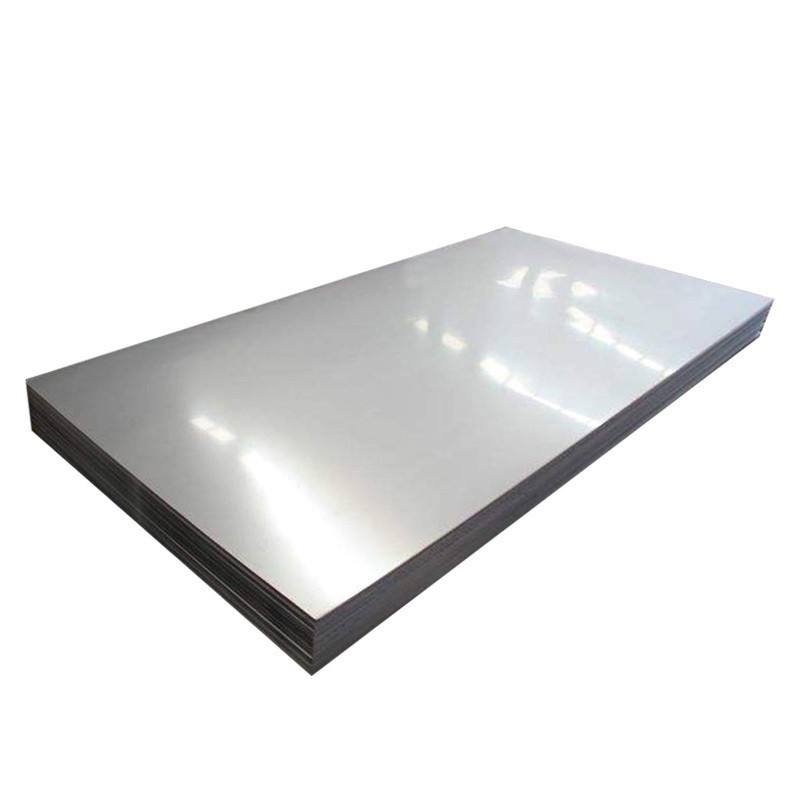


DESCRIPTION OF 316L STAINLESS STEEL PLATE
1. 316L Stainless Steel Plate: material 304, ss304, SS316, size: DN15, outer diameter 21.25mm, wall thickness 2.75mm,
2. Stainless steel pipe fittings: 90 degree elbow, size: DN15, outer diameter 21.3mm, long diameter 38mm, NPT pitch 1.814mm, outer diameter 21.223, thread number 14, screw thread angle 60.
3. Stainless steel pipe fittings: pipe joint chamfer 1.814, thread large outer diameter 20.995, specification length 8.2mm, DN15 outer diameter 21.3mm, pipe thickness 2.6mm. NPT pitch 1.814mm, outer diameter 21.223, thread number 14, thread angle 60 .
Product Specification and Size of 316L stainless steel plate:
1):THICKNESS: 0.1MM-18MM
2):WIDTH: 12MM-2200MM
3):LENGTH: 12MM-12000MM
4):SURFACE: 2B, BA, NO.4, 8K, HL, NO.1
5):AISI 304, 304L, 316L, 316Ti, 321, 309S, 310S, 201, 202, 430, etc.
All surface treatments use the same stainless steel. The color changes according to the surrounding area. If your kitchen is dark, the backsplashes will appear darker. If your kitchen is lighter, your backsplash will have a lighter hue.
# 4 Brushed finish is very similar to many appliances, it is a good choice if you want to match. Its finished surface has a removable PVC film to prevent scratching during installation. This is the most popular finish for residential and commercial kitchen backsplash applications and is perfect for situations where appearance and longevity are important. The # 4 brushed surface is easier to keep clean compared to most other types of post-blasted surfaces. In addition, we can use this material to make metal tiles to give your tailgate a more traditional tile look.
Our advantage
1. We can guarantee the quality! Trust is the foundation of business.
2. We always provide the best and professional up-front service and after-sales service.
3. We always shorten buyer’s delivery time.
4. We always try our best to satisfy our guests.
Production process of stainless steel sheet
Raw materials are sent to the hot rolling mill to be rolled into different sizes
Hot-rolled materials are annealed in a cold-rolled annealing furnace and then pickled in acid.
After the first shift operation, all rolls are ground on a precision grinder with appropriate chamfering.
Pickling all paper in different tanks and drying on a brush roller before sending.
These plates were annealed again and sent to a leveler for straightening.
Inspections are carried out at various stages. Proper control of the entire internal process is maintained by our experienced staff through rolling, annealing and pickling